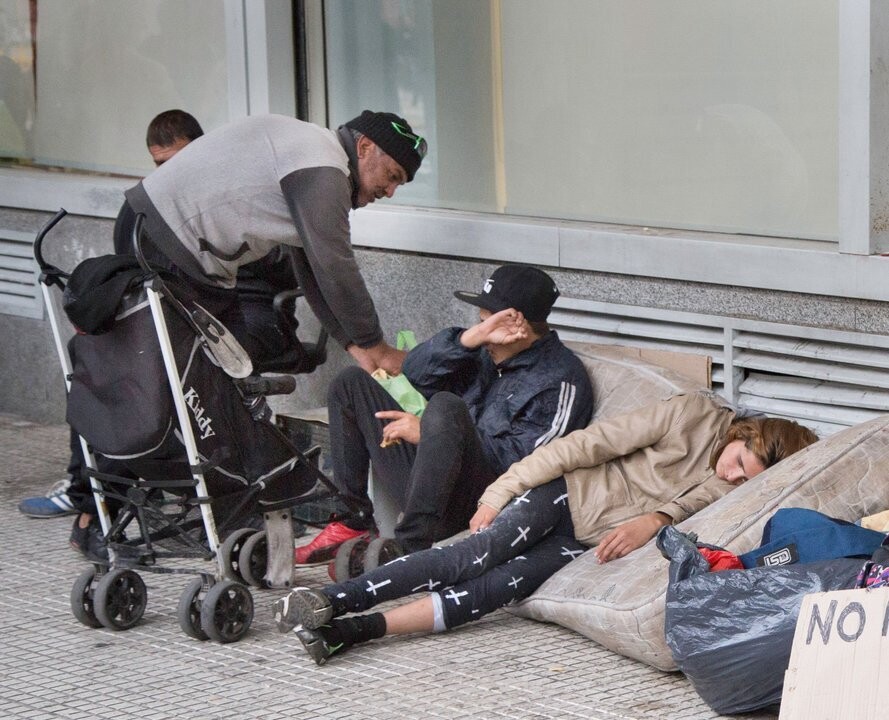
According to official data, this phenomenon is explained by the fact that increases in both labor and non-labor income were higher than the rise in prices during the analyzed period. The report highlights an improvement in the situation of minors: poverty among children, adolescents, and teenagers (0-17 years) decreased from 42.6% to 27.1% in one year. However, the incidence is higher in households in the Southern Zone (21.8%) and in those with children under 14 years of age (22.6%). As a counterpart to the decline in negative social indicators, there was an expansion of the non-poor sectors. Buenos Aires, January 5 (NA) — The poverty rate in the City of Buenos Aires in the third quarter of 2025 stood at 17.3% of the population, representing 534,000 individuals, which means a decrease of 10.8 percentage points compared to the same period in 2024. As for indigence, the indicator reached 5.3% of the population (164,000 people), compared to the 11.0% observed a year earlier. When measured by households, 13.7% are in a state of poverty and 4.0% in a situation of indigence, equivalent to an annual decrease of 334,000 people and 111,000 households below the poverty line. The information comes from the Institute of Statistics and Censuses of the Autonomous City of Buenos Aires, based on the results of the Quarterly Survey of Employment and Income (ETOI), which was accessed by the Argentine News Agency. This reduction constitutes the fourth consecutive annual decrease. The middle class reached 51.4% of households (707,000 units), while the affluent sectors rose to 16.1% of households in the Federal Capital.